Wellness
Bathroom Safety Tips For Seniors
You might be surprised to know that of all the rooms in your house there’s one room that’s universally considered the most dangerous. If you thought it was the kitchen, think again; in fact, most injuries in the house occur from falls in the bathroom. These injuries are usually the result of wet and slippery surfaces. These surfaces create a range of hazards when getting into and out of bathtubs and showers. Inadequate bathroom design is also cause for alarm when the elderly are concerned. And for senior citizens with reduced mobility, this often results in serious and sometimes even fatal injuries. Bathroom safety equipment for seniors is vital to ensure a safe environment and reduce the risk of serious injuries like broken bones or fractures.
Find out why bathroom safety for seniors is so important and some upgrades you can make to keep the bathroom safe, comfortable, and stylish as you or a loved one ages.
You might be surprised to know that of all the rooms in your home, there’s one that’s universally considered the most dangerous. If you thought it was the kitchen, think again. Most injuries in the house occur from falls in the bathroom. These injuries are usually the result of falls caused by wet and slippery surfaces. These surfaces create a range of hazards when getting into and out of bathtubs and showers.
Poor bathroom design is also a cause for alarm for seniors. And if you or someone you care about is a senior citizen with reduced mobility, a fall in the bathroom can lead to serious and sometimes even fatal injuries. Bathroom safety equipment for seniors is vital to ensure a safe environment and reduce the risk of serious injuries like broken bones.
Whether you're updating a bathroom for yourself or for a parent or loved one, the right adjustments can make a real difference. Let’s look at some practical bathroom safety tips for seniors, from simple additions like grab bars and non-slip mats to bigger upgrades like walk-in showers.
Why Bathroom Safety for Seniors Matters
Bathrooms combine wet surfaces with hard flooring in tight spaces, which is why they're the most common room in the home for fall-related injuries. According to the CDC, one in five falls among older adults results in a serious injury like a broken bone or head trauma. Reduced mobility and changes in balance or vision raise the stakes, turning everyday tasks like stepping out of the shower or reaching for a towel into potential hazards.
The good news is that most of these risks are preventable. Small changes to your bathroom setup can protect the people you love and give your whole family confidence that home is a safe place to be. Whether you’re trying to set yourself up for safety now or in the future, or you want to remodel your guest bathroom to make it more accessible, everyone will benefit from a safer bathroom.
Shower Safety Tips for Seniors
The shower is one of the highest-risk areas in the bathroom for older adults. Wet surfaces combined with the need to stand and balance while washing make falls more likely here than anywhere else in the home. A few targeted upgrades can make a senior shower much safer.
Install Grab Bars & Shower Safety Handles

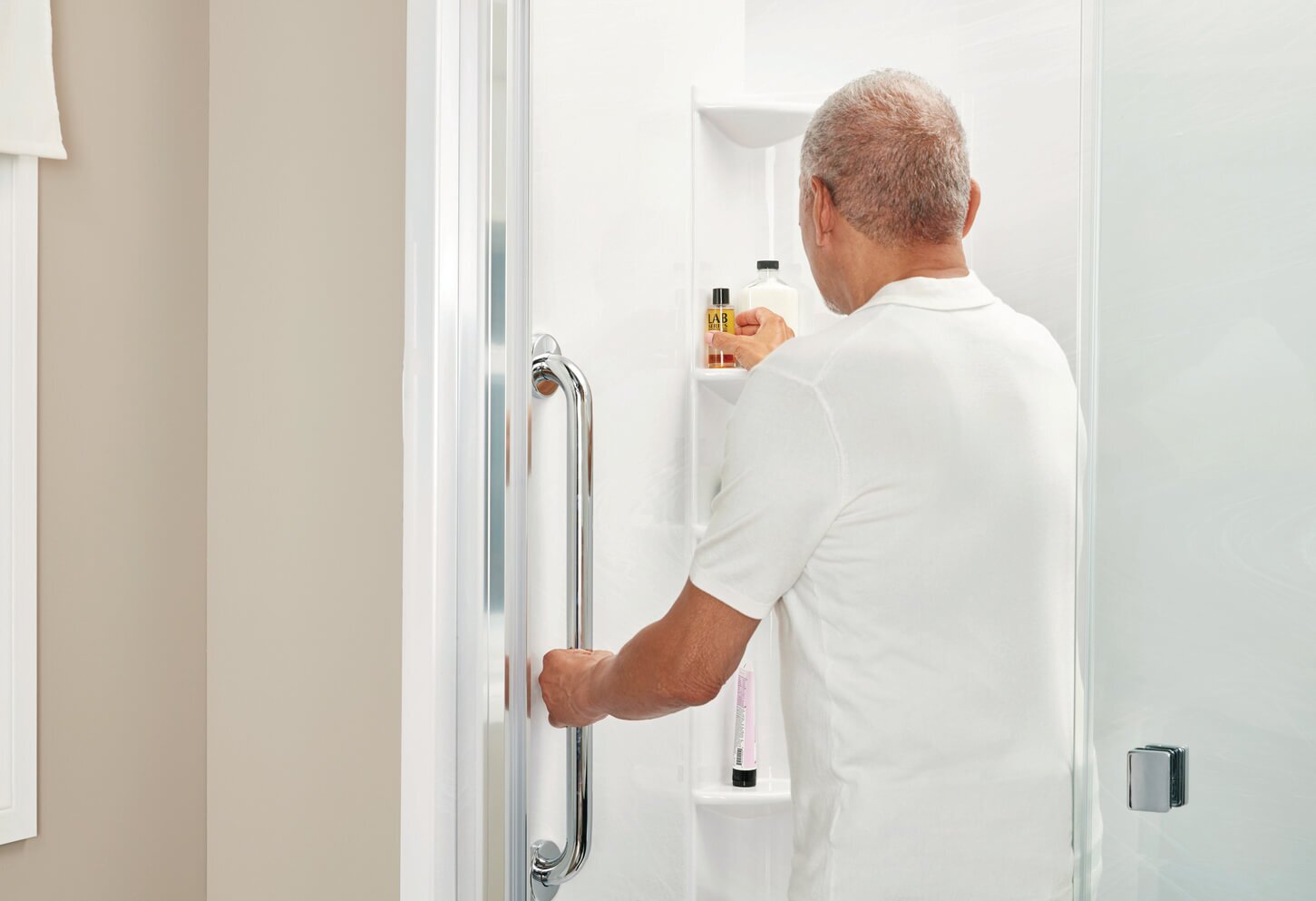
Grab bars placed near the shower entry and along the interior walls give you something sturdy to hold while stepping in and out of the shower. Look for ADA-compliant safety accessories that are rated to support repeated use, and have them professionally installed so they're anchored securely into wall studs. Towel bars may look similar, but they aren't designed to bear a person's weight and can pull loose at the worst possible moment.
Use a Shower Chair or Shower/Tub Transfer Bench

A shower chair or transfer bench lets you sit while bathing, which removes the balancing act of standing on a wet surface. Choose one with non-slip rubber feet and adjustable height so it stays secure on your shower floor. If standing isn't a major concern but you'd like a place to rest, a fold-down corner seat or a simple bench provides that option without taking up floor space.
Switch to a Handheld Showerhead

A handheld showerhead reduces the need to twist and shift your weight while rinsing. Models with easy-grip handles and a pause button for water flow are especially helpful for seniors with arthritis or a limited range of motion.
Senior Bath Safety: Tub and Floor Solutions
High tub walls and slippery floors account for a large share of bathroom falls among older adults. Addressing these two areas can significantly lower the risk.
Consider a Walk-In Shower or Tub Replacement

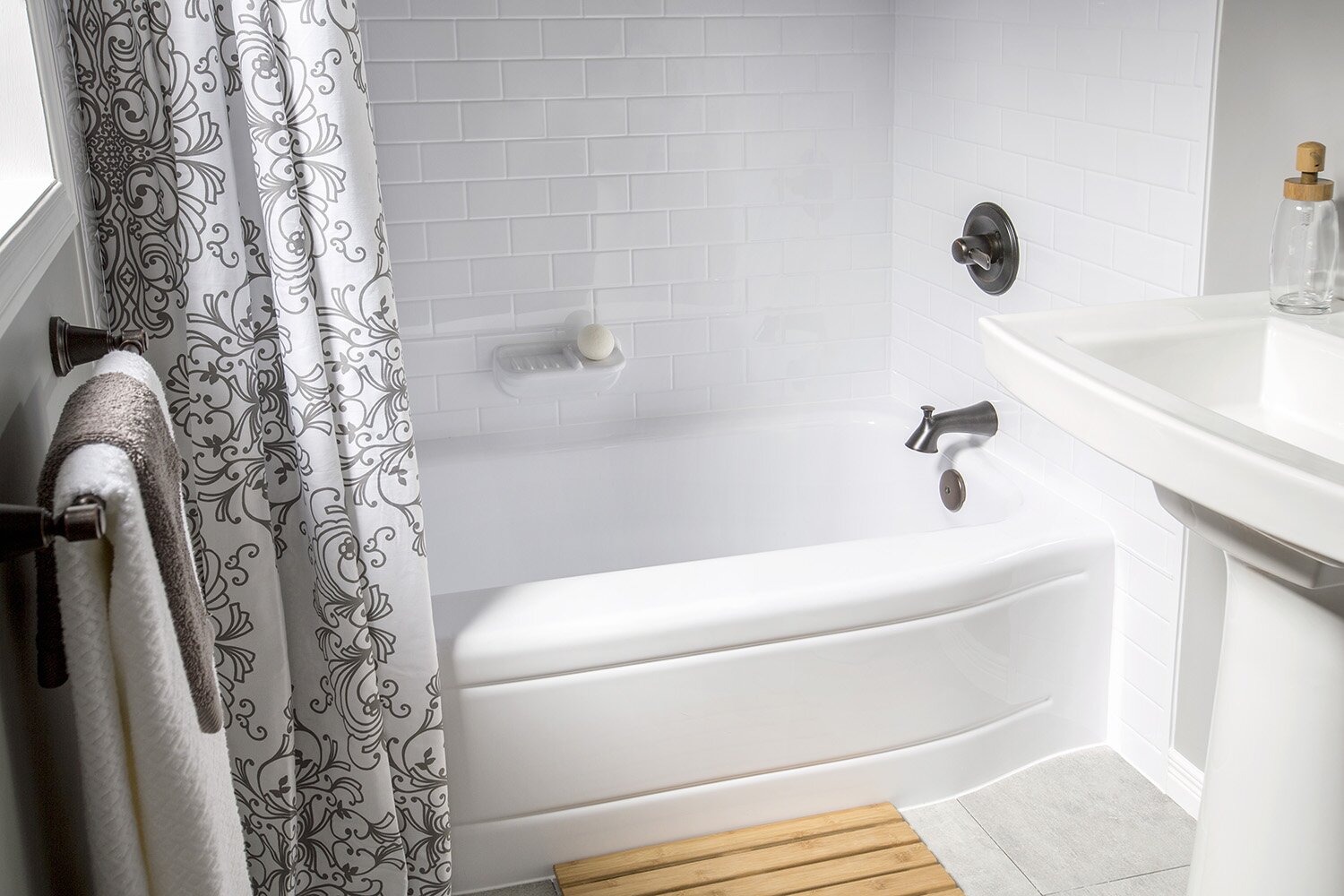
Traditional bathtubs with high walls force you to lift your leg over the edge, which is one of the most common points where falls happen. An easy-access shower with a low or zero threshold removes that obstacle entirely, making it easier to step in and out with confidence. Bath Fitter's one-day installation process can convert your existing tub into a safer setup without the weeks of downtime that come with a full renovation. And the ease of use makes the benefits of an easy-access shower obvious to anyone who has used one.
Add Non-Slip Mats and Textured Surfaces
Place a non-slip mat with suction cups inside the tub or shower basin, and set a second mat with a rubberized backing on the bathroom floor just outside the shower. Adhesive non-slip decals are another option for tub and shower floors if you prefer a lower-profile solution. If you currently have loose rugs or mats without rubberized backing, remove them. Unsecured mats are one of the most common trip hazards in the bathroom. A weighted shower curtain can also help keep water contained inside the tub or shower.
Upgrade Bathroom Flooring
Standard polished tile becomes slippery the moment it gets wet. If you're updating your bathroom floors, consider textured tile with a matte, slip-resistant finish or non-slip vinyl. Both options give you better traction underfoot and are available in styles that look just as polished as traditional tile.
Improve Toilet and Fixture Accessibility
Falls don't only happen in the shower. The area around the toilet and sink can be just as challenging for seniors with limited mobility or grip strength.
Install a Raised Toilet Seat
A raised toilet seat reduces the distance you need to lower yourself and the effort it takes to stand back up. Models with built-in support arms on both sides add extra stability during that transition. Most raised toilet seats are designed to conform to standard US and Canadian toilet sizes, so they’re easy to install on your existing fixtures. Pair a raised seat with grab bars mounted on the wall next to the toilet for the most secure setup. Always look for ADA-compliant models.
Choose Easy-to-Use Faucets and Handles
Lever-style or single-handle faucets are much easier to operate than traditional twist knobs, especially for hands affected by arthritis. Look for models with clear temperature markings so hot and cold are obvious at a glance. You can also reduce the risk of accidental scalding by lowering your water heater thermostat to 120°F or below.
Safety Tips for Seniors Living Alone
Many older adults live independently, and along with larger upgrades like a new tub for seniors, a few simple precautions can make the bathroom feel just as safe as the rest of the home.
Make Sure the Lighting is Adequate
Although we all like to have subtle, relaxing light in the bathroom for a softer look, seniors or other people with vision problems often have a very hard time in low-light situations. The perfect lighting setup needs to be bright enough that people can see what they are doing, but not so bright that it dazzles or blinds them, which could cause dizziness and a loss of balance. Replace existing low-light bulbs with brighter bulbs to create a more comfortable and visible environment.
Add nightlights along the hallway to the bathroom and swap dim bulbs for brighter ones inside the bathroom itself. Being able to see clearly, especially during nighttime trips, goes a long way toward preventing slips.
Have a Phone or Medical Alert Device Nearby
Keep a phone or medical alert device within reach while you're in the bathroom. A wall-mounted holder near the toilet or shower puts help one button press away if you need it. It's also a good idea to use a privacy lock that can be opened from the outside in an emergency, so a family member or neighbor can get to you quickly.
If you live on your own, let someone you trust know your daily routine. A quick morning check-in, whether by phone call or text, adds another layer of safety without giving up your independence.
Put Essential Items Within Easy Reach
Organize your bathroom so that towels, soap, shampoo, and anything you use regularly sit at waist height. Reaching overhead or bending down to grab something shifts your balance, which could increase the risk of a fall. Use a simple shower caddy to organize shampoos and soaps, and create space on the lower shelves to place items like combs and brushes. Keeping your bathroom organized and free of clutter can also reduce trip risks (and make the space feel more peaceful).
How Bath Fitter Can Help
At Bath Fitter, we specialize in making bathrooms safer and more comfortable without the disruption of a full renovation. Our proprietary process lets us complete a remodel in as little as one day, so you can get back to your routine right away. Every installation comes backed by a lifetime warranty for lasting peace of mind.
From PermaFit™ tub and shower solutions to full tub-to-shower conversions, we create with accessibility in mind. Whether you're looking to replace a high-walled tub with a low-threshold shower or upgrade your current setup with safety accessories, we'll work with you to find the right fit for your bathroom and your needs.
Book a free consultation to learn how we can help make your bathroom a safer space for you and your family.
Bathroom Safety Tips for Seniors FAQ
What are the most important bathroom safety products for seniors?
Grab bars, non-slip mats, shower chairs, raised toilet seats, and handheld showerheads are among the most recommended products for bathroom safety. The right combination depends on the individual's mobility and balance needs, so it helps to assess which activities in the bathroom feel the most difficult before deciding what to add.
How can I make my bathroom safer for a senior family member without a full remodel?
You can make a noticeable difference by adding grab bars near the shower and toilet, placing non-slip mats on the bathroom floor, improving the lighting, and moving frequently used items to waist height. For bigger changes like replacing a tub with a walk-in shower, Bath Fitter offers a one-day remodel option that avoids the hassle of a lengthy renovation.
What makes a bathroom design senior-friendly?
A senior-friendly bathroom typically features a low-threshold or walk-in shower, lever-handle faucets that are easy to grip, slip-resistant flooring, grab bars in key locations, and bright, even lighting. The goal is to reduce the movements that put older adults at risk of losing their balance while keeping the space comfortable and easy to use.
What safety precautions should seniors living alone take in the bathroom?
Keep a phone or wearable alert device nearby so you can call for help if needed. Use nightlights to illuminate the path between your bedroom and bathroom, and make sure the bathroom floor stays dry. It also helps to let a trusted friend or family member know your daily schedule so they can check in if something seems off.
LIKE WHAT YOU SEE?
Share with a friend